

Real-time anonymization
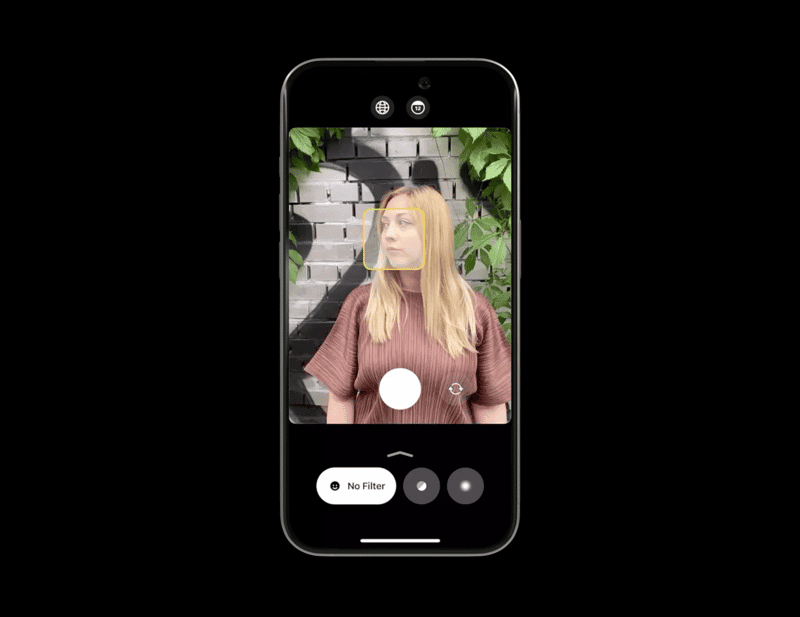
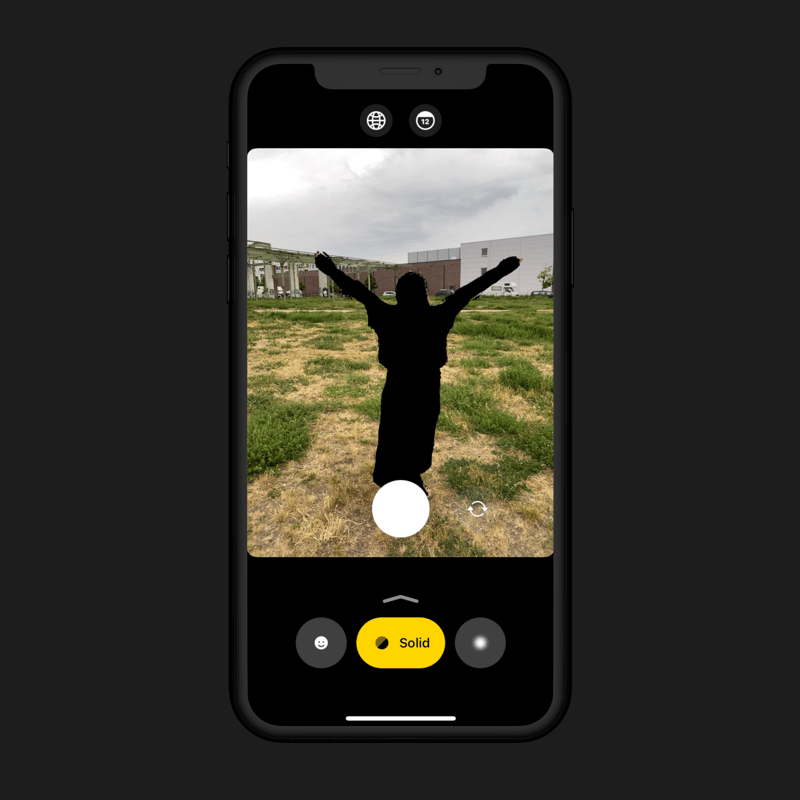
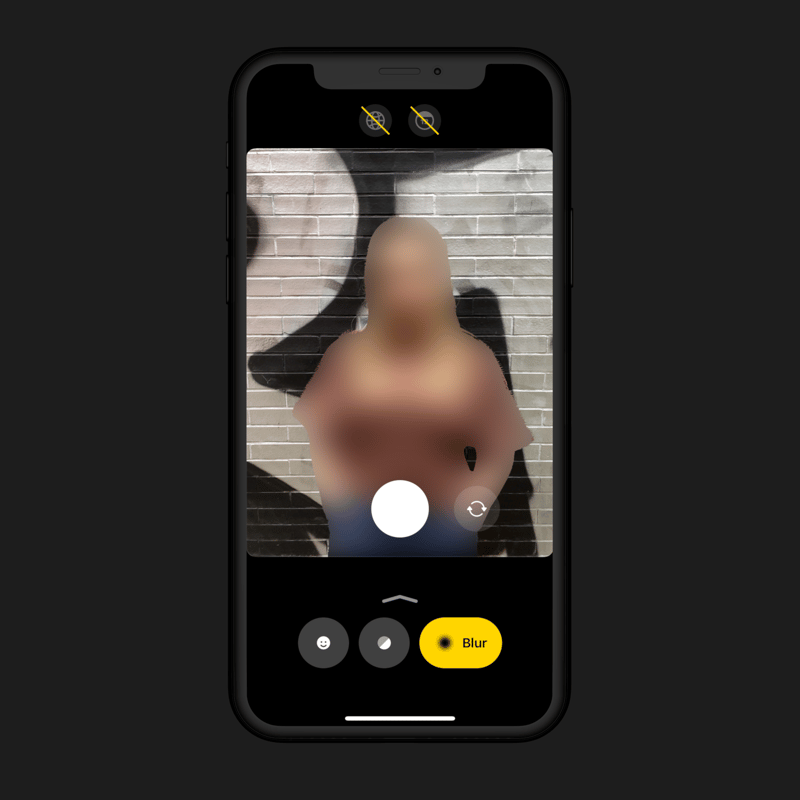
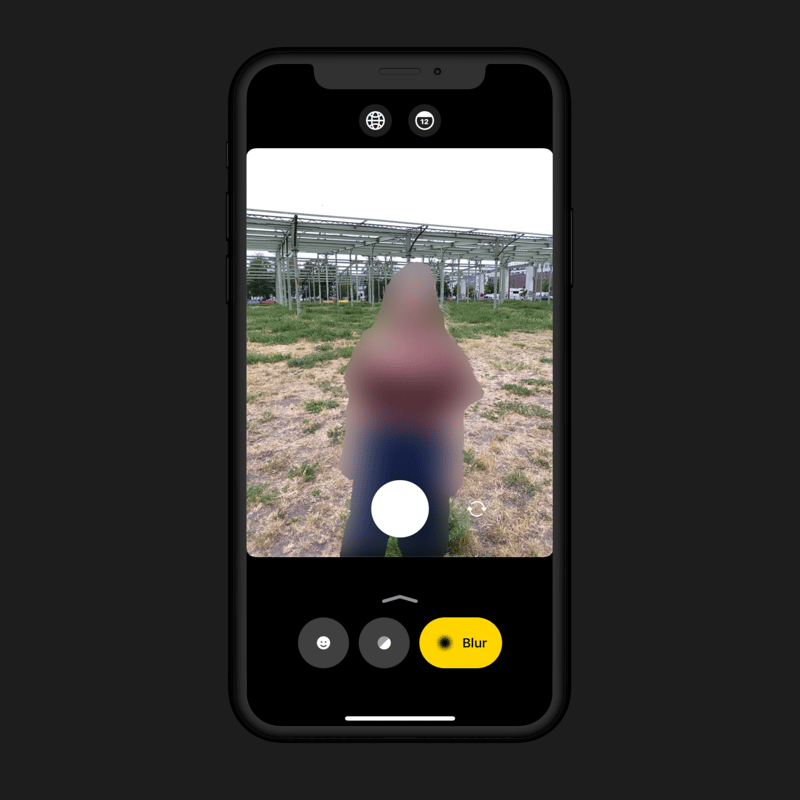
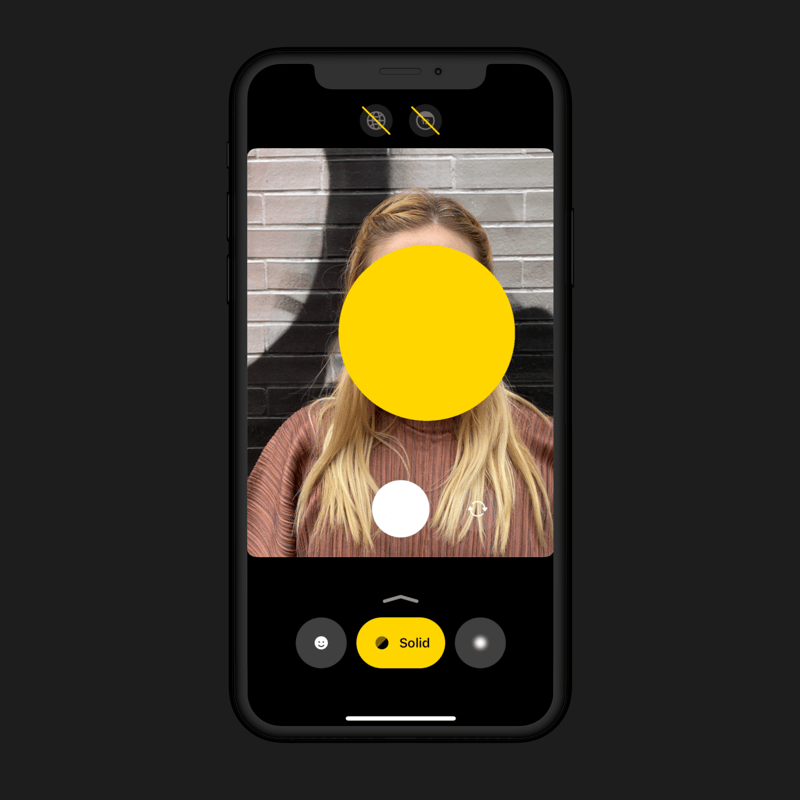
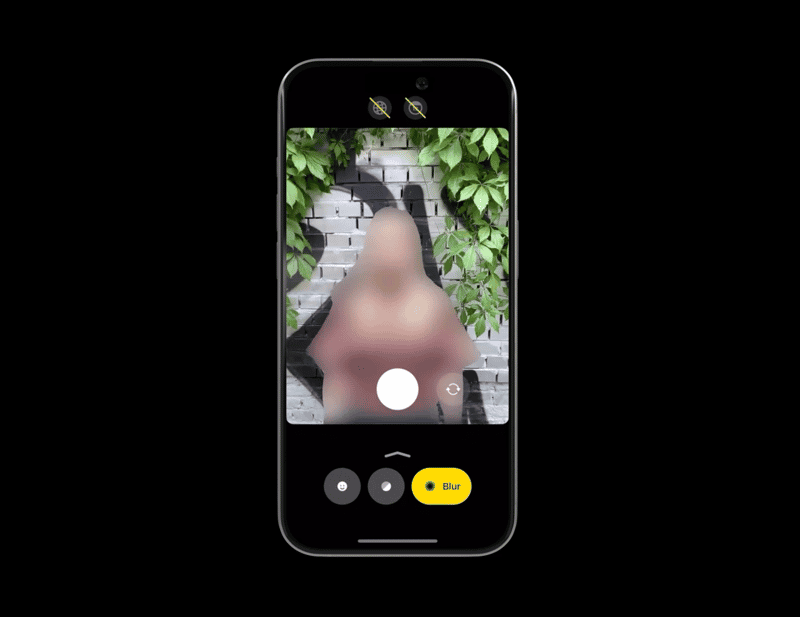
At the core of Anonymous Camera is real-time anonymization. Using on-device machine learning, the app detects faces and full human bodies directly in the camera view and obscures them before the image or video is recorded. Users can choose between anonymizing only faces or entire bodies depending on the situation. Face anonymization allows scenes to remain largely intact while protecting identities, while full-body anonymization ensures that clothing, posture, or other identifying cues cannot reveal a subject. Because the processing happens locally and in real time, identifiable footage is never captured or stored, allowing journalists, researchers, and activists to document sensitive moments without exposing the people involved.
The Privacy Card
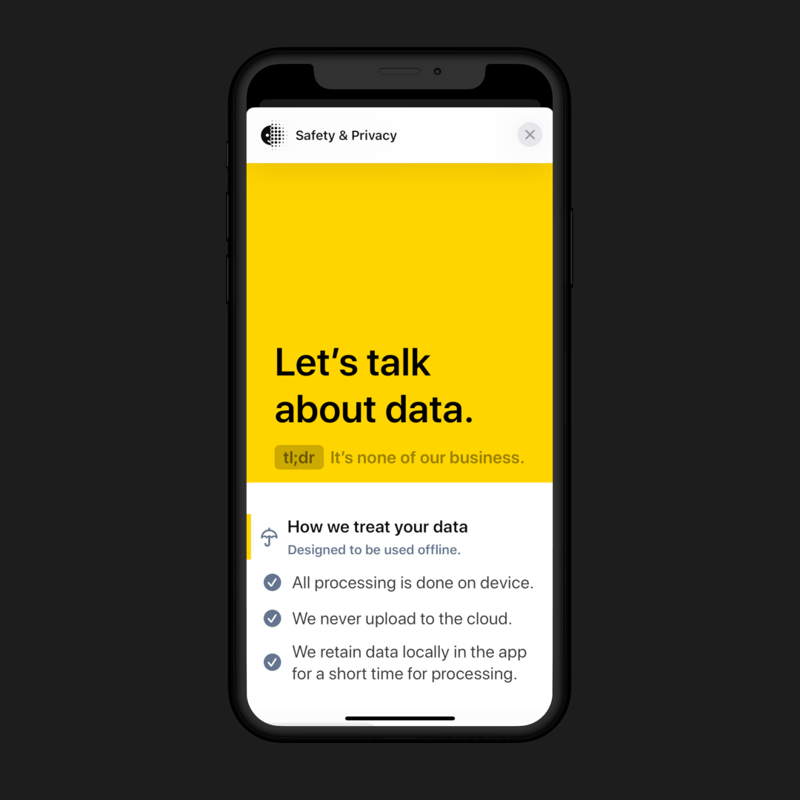
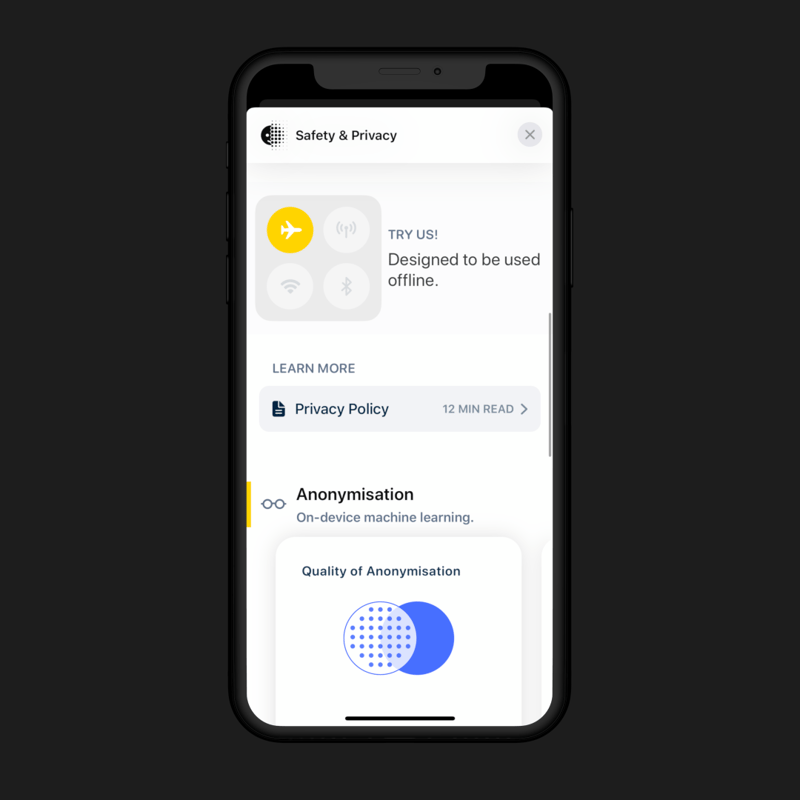
Designed as a clear, visual explanation of how Anonymous Camera protects people’s identities. Instead of relying on a traditional privacy policy buried behind a link, the app presented a simple, illustrated card that explained the core principles of the product in seconds. The design was inspired by airline safety cards concise, visual, and immediately understandable so that anyone being recorded could quickly see what the technology was doing and why it was safe.
Metadata Removal
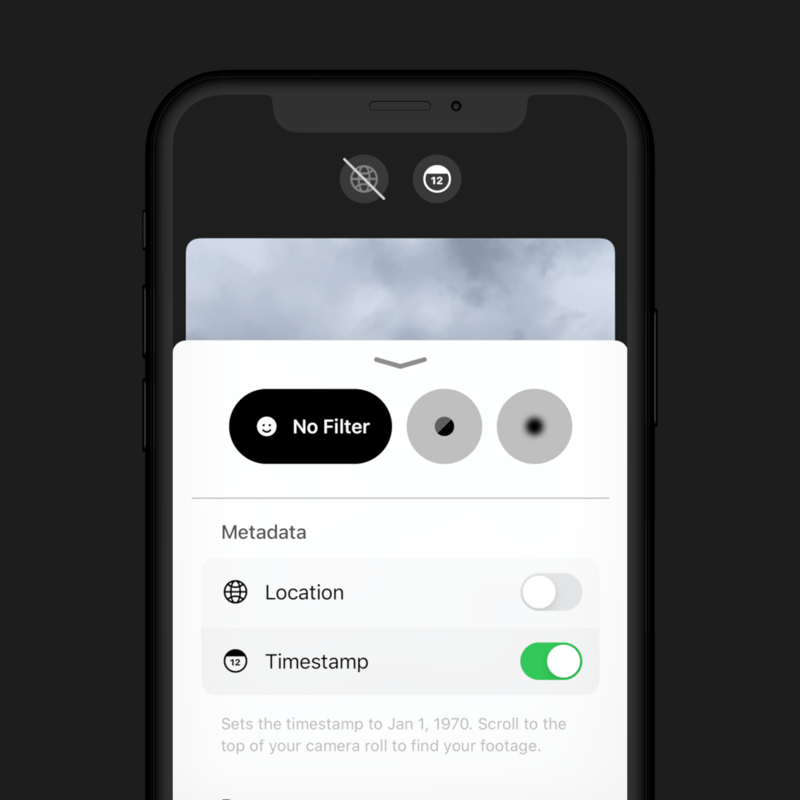
Anonymous Camera also addressed a less visible but equally important privacy risk: metadata embedded in photos and videos. Modern images often include information such as location coordinates, timestamps, and device details, which can reveal where and when footage was captured even if faces are anonymized. The app allowed users to remove this metadata automatically, ensuring that images could not be traced back to a specific place or moment.
Interview Mode
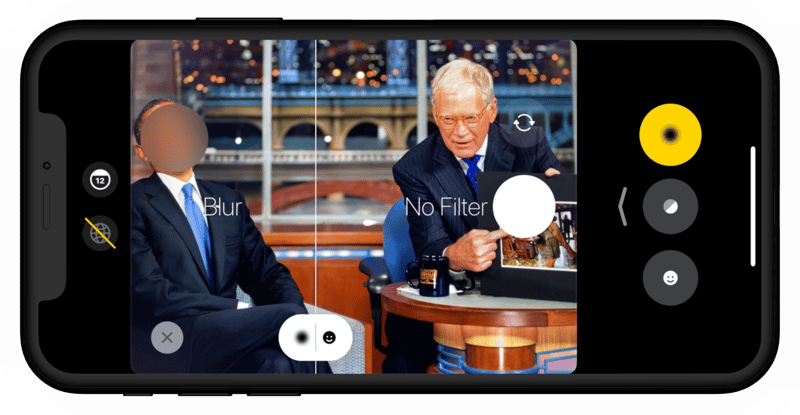
For journalists, the app introduced a feature called Interview Mode. The mode allows users to anonymize only part of the camera frame while leaving another portion visible. In practice, this meant a journalist could appear clearly on one side of the image while the interviewee remained anonymized on the other. The split could be adjusted to control how much of the frame was protected, making it possible to conduct traditional face-to-face interviews while safeguarding a source’s identity in real time.
Launch & Reception
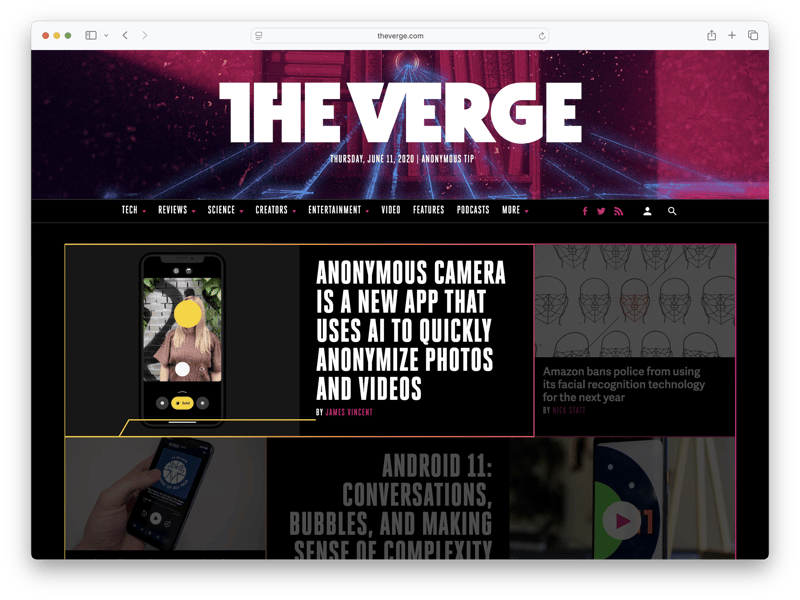
The product’s public launch came at a moment when the risks of facial recognition were widely visible. During global protests in 2020—from Black Lives Matter demonstrations in the United States to activism in Hong Kong—people were increasingly aware that images shared online could be used for surveillance or retaliation. When a prototype of Anonymous Camera was shared online, it spread quickly, drawing attention from journalists and technologists. Coverage from outlets like The Verge, Wired, and Fast Company helped the app reach more than 200,000 downloads worldwide, and it continues to see spikes in use during moments of political unrest.