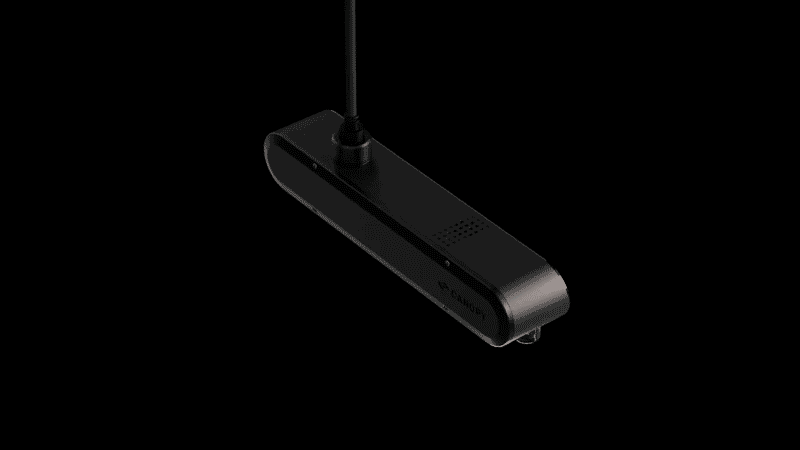



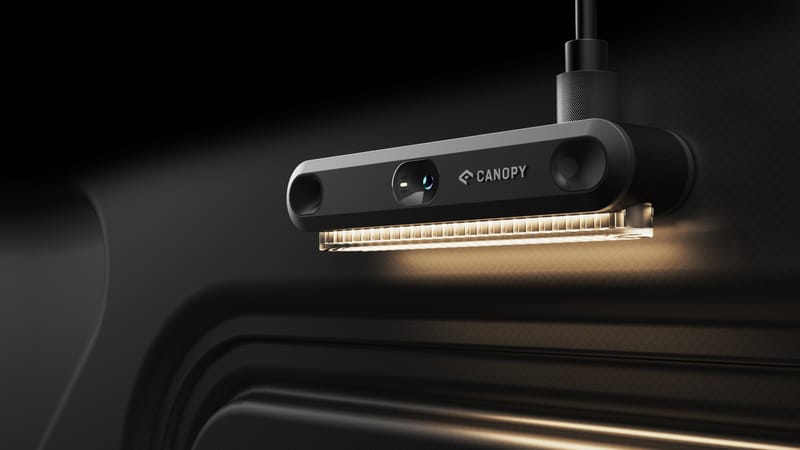
Across a multi-year engagement, New Material worked with Ford on the full product, from strategy to execution — building a state-of-the-art threat-detection AI alongside the design and experience of the device itself.


Training models to detect real-world break-ins

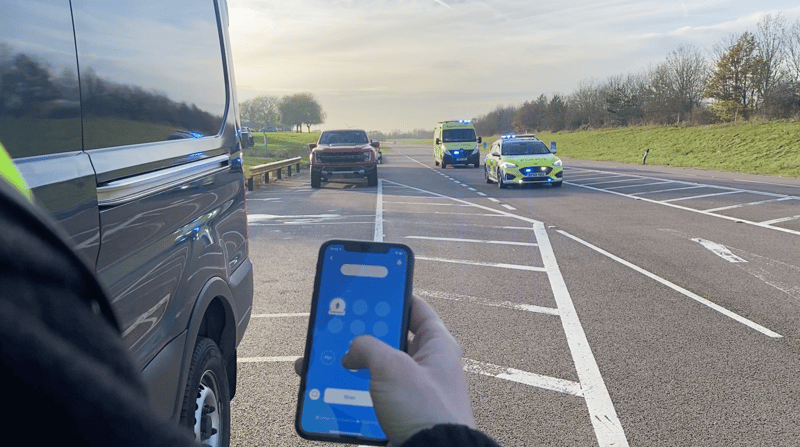

To power the system, we built a custom machine learning pipeline trained on a bespoke dataset of real-world break-in scenarios. Because this data did not exist, we collected it ourselves by simulating events such as glass breaking, metal cutting, and forced entry, alongside everyday environmental noise. The final system uses a multi-sensor approach, combining audio and motion to detect threats early while reducing false positives. It can often identify suspicious activity before a vehicle is fully breached.
Optimizing AI for low-power embedded systems


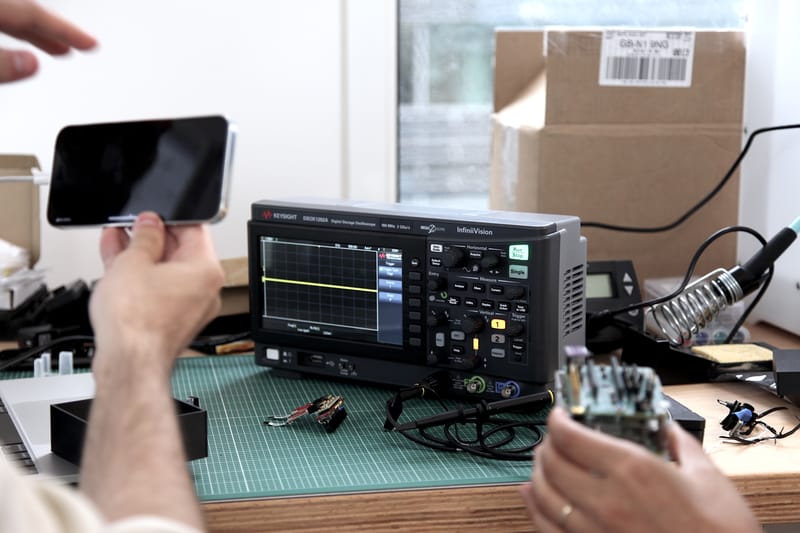

The system was designed to run fully on-device within strict power constraints. We worked closely with chip suppliers to optimize models for low-power hardware and built a layered detection approach where lightweight audio models trigger more intensive processing only when needed. Our work extended into electrical engineering, sensor selection, and system architecture to ensure strong performance and battery life across the full system.
Designing the device, packaging, and installation
0
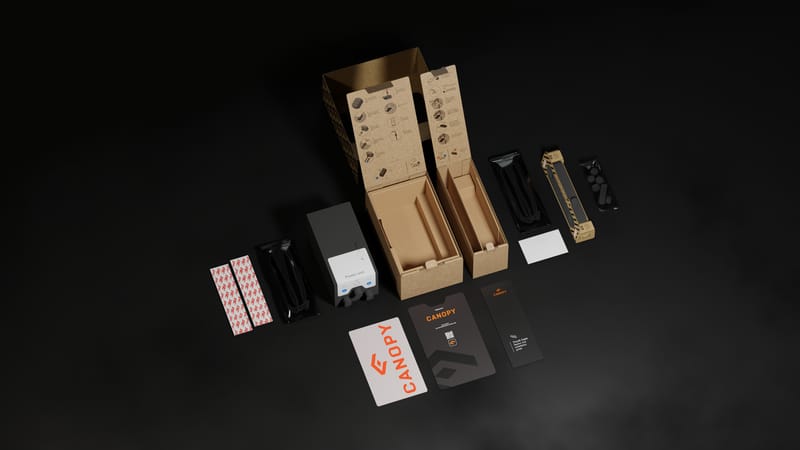
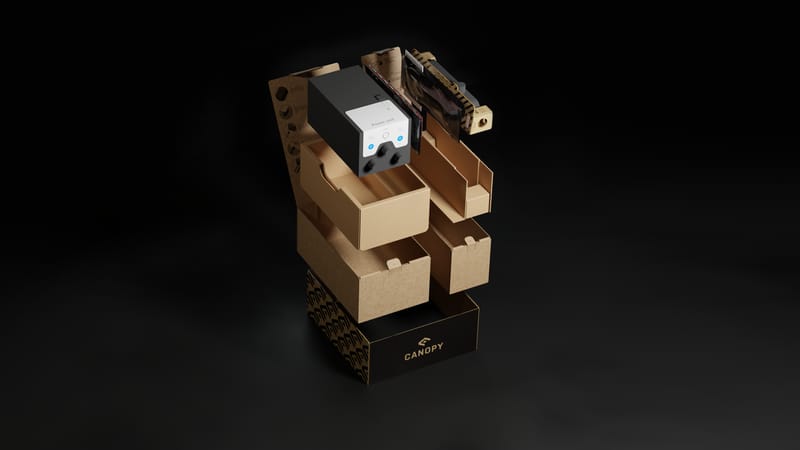
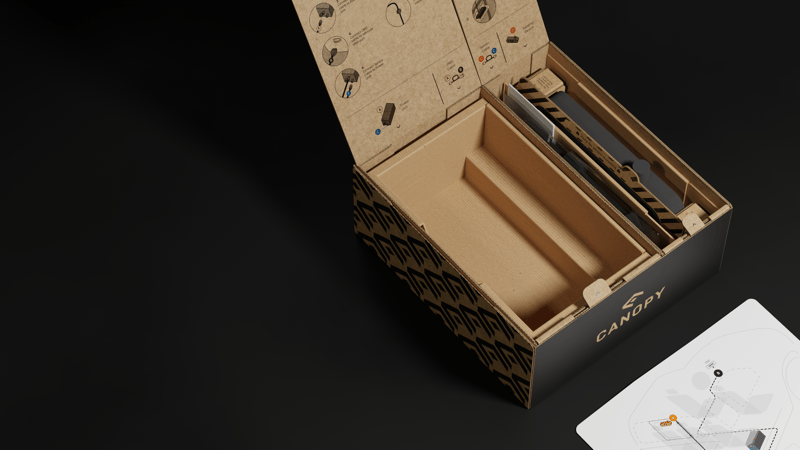
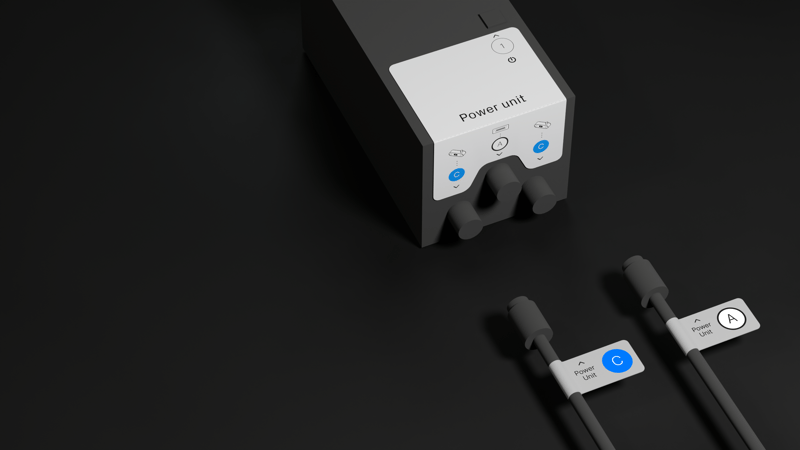
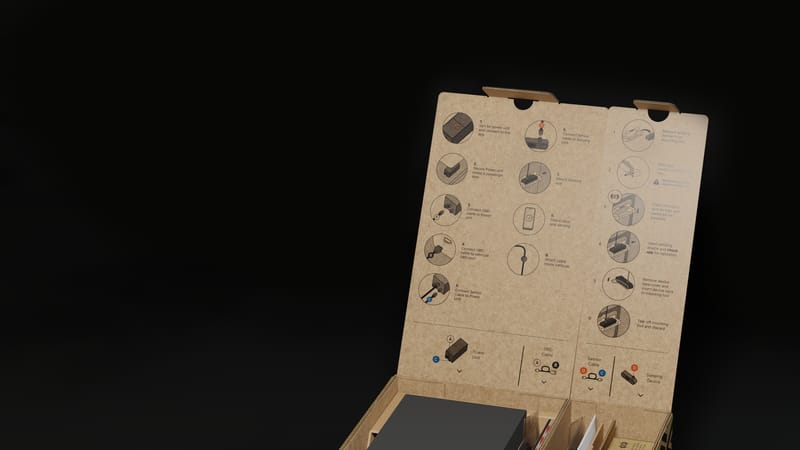
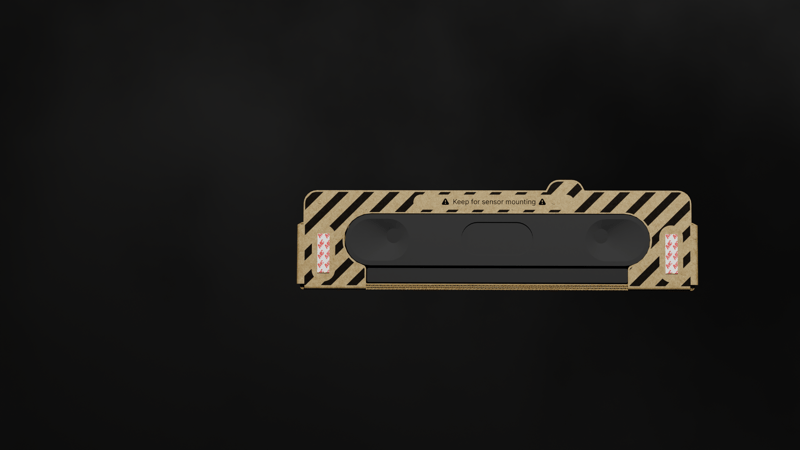
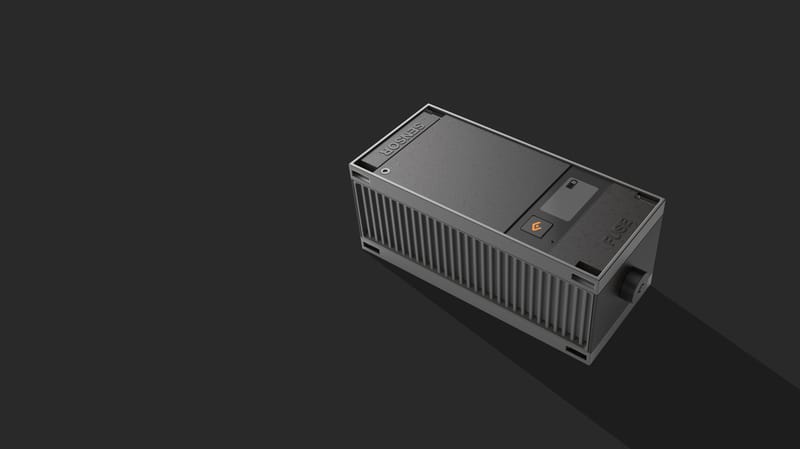
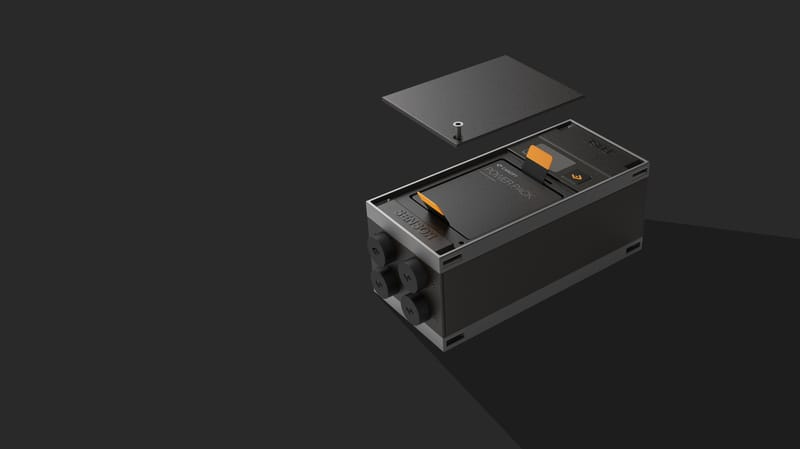
We also led the industrial design and packaging of the product. This included the enclosure, mounting system, and installation flow to ensure consistent placement and reliable performance. The packaging and onboarding experience were designed to guide users through setup, including alignment tools to position the device correctly inside the vehicle. The result is a cohesive product where machine learning, hardware, and user experience are tightly integrated.